
10 measures to combat climate change from the hotel sector

En Diciembre de 2019, el Secretario General de Naciones Unidas, Antonio Guterres, recordaba que “el planeta se está calentando más rápido de lo que nos hubiéramos imaginado”. Él mismo animaba a una reducción de la contaminación con carbono, ya que si no cumplimos los objetivos del Acuerdo de París, convención que hace que todas las naciones tengan una causa común para poder combatir juntos contra el cambio climático a nivel mundial, el mundo sufrirá una emergencia climática. Además, Guterres ya comentaba que 2020 se convertiría en un año crucial para cumplir los compromisos pensados en París y volver a darle vida al planeta en el cual vivimos. Y es que, la nueva década en la que hemos entrado se la conoce como la del futuro del cambio climático, ya que entra en juego el planeta y, con él, la economía, el bienestar social y la biodiversidad. Una de las metas que se tienen en el Acuerdo de París es mantener el incremento de la temperatura promedio de la Tierra por debajo de 1,5ºC. Para ello se necesita reducir la emisión global de gases de efecto invernadero (GEI) en un 50 por ciento hacia el año 2030. De no ser así la Tierra podría llegar a sufrir fenómenos climatológicos extremos, que se convertirían en catástrofes fuera del control humano. Dada la importancia de esta situación, desde Vayoil queremos ofreceros 10 medidas para instaurar en los hoteles y luchar contra el cambio climático, tanto de forma directa como indirecta, consiguiendo reducir así las emisiones de gases invernadero. 10 medidas a implantar en tu hotel Aprovechamiento de materias primas. Realizar un cambio de proveedores por unos de nuestra zona o que realicen unas buenas prácticas medioambientales es una acción que mejorará tanto la sostenibilidad de nuestro hotel como ayudará a una mayor salud del planeta. Reducción de nuestra huella de carbono. Con ello nos referimos a la reducción de la cantidad de gases que emitimos. Dos acciones fáciles a adoptar que son de gran ayuda son, por una parte, el cambio de los equipos de cocina o lavandería que se emplean en el hotel, por unos más ecológicos y respetuosos con el medio ambiente; y, por otra parte, suprimir aquellos envases de plástico del restaurante, baños y habitaciones, como pueden ser mermeladas, amenities, pequeñas botellas de agua de plástico, etc. Los jabones y comforts de los baños pueden ser cambiados por pequeños botes de cristal, los cuales se pueden rellenar, que se encuentran en el interior de la propia bañera y podemos ofrecer cepillos de dientes de madera. Las mermeladas que encontramos en el desayuno pueden estar dentro de dispensadores de cristal. Y, en el caso de las botellas de plástico de agua que encontramos en la habitación, pueden ser sustituidas por botellas de caja de cartón. Energías renovables. El empleo de energías renovables como la biomasa, la solar o la fotovoltaica, son medidas que ayudan al ahorro energético dentro de un hotel, obteniendo beneficios tanto económicos como naturales. Empleo de residuos como generadores de energía. Los residuos orgánicos que se generan día a día en un hotel pueden ser transformados en energía; de esta manera hasta de aquellos elementos que, a priori, no pueden ser reutilizables, les estamos ofreciendo una segunda vida y favoreciendo la economía circular en el planeta. Uso de combustibles limpios. Este punto puede ser adaptado a dos ramas diferentes: por una parte, los servicios de transporte propios de un hotel y, por otra, los proveedores con los que trabajemos. En el primer caso, buscamos alternativas que cuiden el medio ambiente, para ello elegiremos coches o bien híbridos o bien eléctricos. En el segundo caso, y muy relacionado con el primer punto, en el caso de no encontrar proveedores de la zona, buscaremos aquellos que generen los menores desplazamientos y que empleen transportes concienciados con el medio ambiente. De esta manera, conseguiremos una cadena de distribución mucho menos contaminante. Reducción del desperdicio alimentario. El desperdicio de alimentos supone tanto una gran pérdida económica para los propios hoteles como un problema medioambiental. Por ello, aconsejamos crear programas de control de los stocks y concienciación del huésped mediante programas de marketing, para intentar consumir solo aquello que se necesita y comprar únicamente lo que sabemos que vamos a consumir. Reutilizar y reciclar. Estas se convierten en dos patas clave de la sostenibilidad de todo hotel. Darle más de un uso a los productos que tengamos y reciclar todos los envases que podamos serán las claves del día a día para luchar contra el cambio climático a corto plazo. Gestión del agua eficiente. Tomar conciencia con el gasto diario de agua que consumimos es fundamental. Una buena gestión del agua reduce tanto una de las mayores fuentes de gastos económicos de un hotel, como el impacto medioambiental que esto genera. Ligado al punto anterior, intentaremos reutilizar el agua que está en buen estado para otras acciones, o instalaremos equipamientos de tratamiento de agua para poder aumentar su utilidad y reducir el gasto de la misma. Apuesta por textiles producidos con materiales sostenibles. Sustituye progresivamente la lencería de cama del hotel por nuevos textiles fabricados con materiales sostenibles. Un ejemplo de ello es la línea Ocean de Vayoil que incluye sábanas y fundas y complementos como almohadas, edredones, mantas y protectores. Además para el baño ofrece toallas de algodón orgánico y albornoces que por su tejido, consumen menos energía, agua y químicos en su lavado. ¿En tu hotel o cadena hotelera ya estás aplicando alguna de estas medidas? ¿Los clientes las valoran positivamente? ¡Cuéntanos!
New sustainable textiles for the hotel sector

Sustainability goes beyond the recycling or fair trade of previous years. More measures are needed to help achieve this goal. In this article we present textile innovations to promote the sustainable use of materials in the hospitality industry.
Sustainable trends in the textile sector: 4 examples

La industria textil, en cuanto el desarrollo de nuevos productos, ya no sólo pone el foco en los aspectos estéticos o comerciales. Cada vez más se apuesta por el diseño de nuevos productos que sean respetuosos con el medio ambiente, es decir, producidos a partir de materiales sostenibles o reciclados. Una tendencia que va en aumento año tras año. Cada vez más las empresas y los consumidores se preocupan por el impacto que tiene en el medio ambiente la producción y transporte de los textiles. Afortunadamente es posible diseñar y fabricar moda textil bajo los valores sostenibles, de mayor calidad y totalmente accesible. A continuación exponemos algunos ejemplos, uno de ellos, de Vayoil Textil. Ecoalf. Su objetivo: limpiar los océanos de plástico Ecoalf es la primera marca de moda española que ha sido reconocida por el compromiso que tiene tanto con la gente como con el planeta. Desde 2014 comenzó a conseguir premios tanto por sus productos como por su compromiso siendo el último de ellos, en 2019, el Premio Sostenible & Eco de Condé Nast Traveler España, por la zapatilla Ocean Waste. A día de hoy ya poseen tiendas físicas en ciudades como Madrid, Berlín, Barcelona, Amsterdam y Málaga. Nació en 2009 de la mano de Javier Goyeneche con el objetivo de fabricar moda a través de materiales reciclados con la misma calidad, diseño y propiedades técnicas que la que está fabricada con materiales no reciclados. Además, poseen su propia fundación: “Fundación Ecoalf”; la cual está descrita así por los creadores: “La Fundación ECOALF es una organización sin ánimo de lucro cuyo objetivo principal es favorecer la recuperación selectiva de residuos con el fin de reciclarlos, valorizarlos y evitar su impacto nocivo en el medio ambiente, mediante el desarrollo y aplicación de nuevos conocimientos científicos y tecnológicos.” Y tiene como objetivo “limpiar los océanos de basura marina con la ayuda del sector pesquero y dar a los residuos plásticos una nueva vida gracias al reciclaje y a la economía circular.” Uno de los últimos proyectos a destacar con el cual han ganado el premio anteriormente comentado son las Zapatillas Ocean Waste, las cuales fueron confeccionadas a partir de botellas de plástico que se encontraban en el fondo del mar Mediterráneo. Estas zapatillas están fabricadas al 100% con polyester reciclado. Con las mismas ventajas que las zapatillas de polyester: flexibles, resistentes y confortables; pero, además, reduciendo los residuos plásticos en el Planeta. Ecoology: tejidos naturales, ecológicos y reciclados. Ecoology es el resultado de la pasión por la moda pero sin olvidarnos de los valores que importan. Ecoology es una tienda de ropa que nace y fabrica sus diseños en Barcelona. Trabaja con tejidos naturales, ecológicos y reciclados para respetar al planeta. Además, pone un gran énfasis en los diseños, los patrones y los acabados, por lo que realizan prendas bien confeccionadas y de series limitadas para hacer que cada prenda y diseño sea único, queriéndolo conservar por mucho tiempo en tu armario por su autenticidad. Otro punto muy importante a destacar de esta marca es que fomenta el comercio local ya que se realiza y confecciona en talleres locales de la ciudad de Barcelona. Genuins: Materiales animalfree. Genuins es una marca joven que nace en España el 2014. Pero que tiene una gran trayectoria previa en la industria del calzado gracias a que la familia de los fundadores. Desde 1940 se ha dedicado al mundo del calzado siendo zapateros durante más de cuatro generaciones. El punto diferencial que le han otorgado Asun y Pepe, CEO de Genuins, es la fabricación de un calzado de moda fusionado con el máximo confort mediante la planta anatómica que lleva incorporada cada una de ellas. Además, el 80% de los materiales empleados para la creación de dichas zapatillas son #animalfree. Sus zapatillas son el resultado del trabajo y el esfuerzo para avanzar en el bienestar de las personas, la sostenibilidad y el desarrollo social. Vayoil: Línea Ocean En Vayoil Textil empleamos materiales y medidas sostenibles para la creación de cada uno de nuestros productos del catálogo de la línea Ocean. Uno de los principales proyectos es la línea Ocean que hemos lanzado. Ocean es una nueva colección de Vayoil Textil que cubre todas las necesidades de un hotel: lencería de baño (albornoces, toallas, zapatilla, para las habitaciones (sábanas, mantas, colchas, edredones, etc.) y para las mesas. Ello nos convierte en la única empresa que ofrece la posibilidad de vestir todo un hotel de manera sostenible. Esta iniciativa lleva detrás un amplio trabajo de investigación y desarrollo que ha desarrollado nuestro departamento de I+D+I en el centro productivo de Vayoil Textil en d´Ontinyent. Muchas empresas hoteleras ya son conscientes de la importancia de sustituir el plástico por otros materiales más sostenibles. Pero es posible dar un paso más. También es posible sustituir los textiles tradicionales por otros que contengan fibras orgánicas o recicladas. Cuatro ejemplos que dan clara muestra de que es posible afrontar los retos de futuro en cuanto sostenibilidad y medioambiente en el sector textil. ¿En tu empresa, a la hora de comprar lencería de cama u otros textiles tenéis en cuenta que sea ecofriendlys?
Glamping: the new trend for 2020
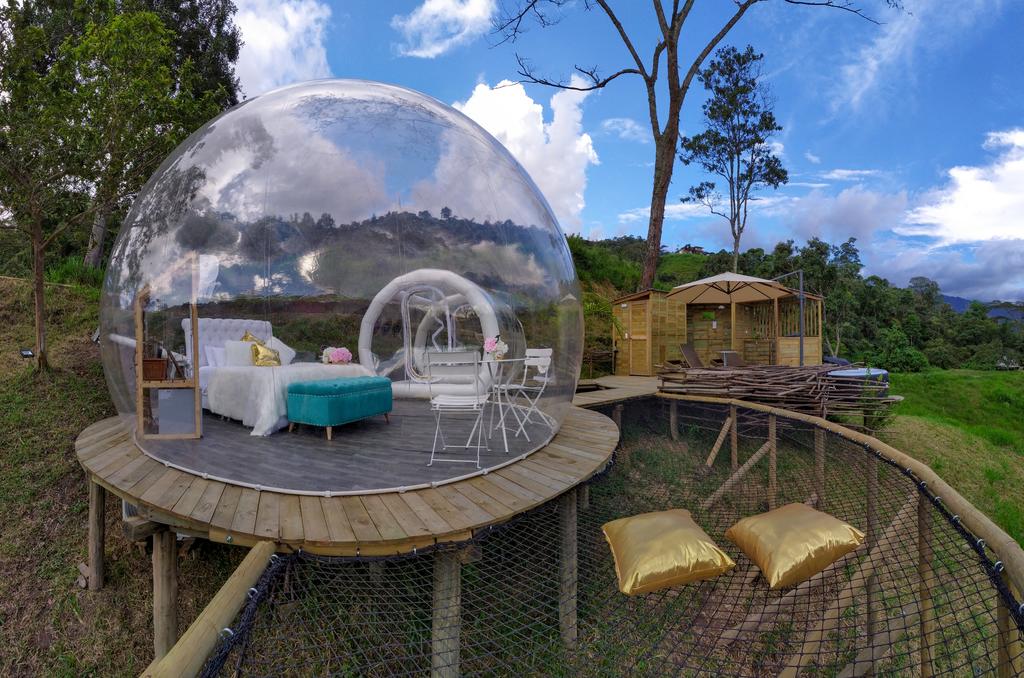
Glamping: [glam-ping] Informal. Activity that consists of camping with some of the comforts and luxuries of home. This is how the new 2020 trend for the hotel sector is defined. A way of traveling totally different from the usual, in which the typical nature of a rural house and all the comforts that you could find in a high-end hotel are merged. In previous articles we saw how this has become a travel alternative for the most adventurous in the United States. In addition, this trend already has its own website called "Glamping Hub", where you can perform specialized searches on glamping accommodations around the world. What is Glamping? During 2019 we could observe a significant increase in sustainable tourism and eco-friendly accommodations. Therefore, this way of traveling is in vogue, as they are accommodations committed to the care of the environment where they take advantage of all the elements of nature that surround them. Glamping is also known as luxury camping or glamorous camping, as it also integrates the meaning that has always had a nature getaway or an outdoor adventure. Advantages of Glamping In addition to being a totally sustainable and environmentally friendly way of traveling, Glamping has some attractive advantages that attract travelers: It is an original accommodation. Guests are looking for unforgettable experiences in each of their trips. This trend brings them novelty from the first moment, since it is an adventure different from traditional lodging. Being able to wake up, enjoy the natural refuge where you are staying and breathe the fresh air that surrounds it makes every guest fall in love. Reconnection with nature. The fact of combining the best of rural houses and luxury hotels allows the visitor to connect with the environment without sacrificing an ounce of comfort, thus becoming that getaway to nature that you have always wanted to do. A new way to practice Ecotourism. This way of traveling favors the practice of outdoor activities in the middle of nature such as hiking, mountain biking, rafting, canoeing, bird watching and stargazing, wine tasting, etc.. Activities that favor the connection with the planet as well as with oneself. Pets are welcome. Normally in these accommodations pets are allowed, a very important issue, as it favors that all those guests who have pets can travel in a comfortable way and continue adding experiences with them. What a Glamper looks for The type of traveler who enjoys glamping is a demanding guest, since as we have been saying they do not want to lose the comforts of a luxury hotel. Therefore, it has been observed that the essentials for a good "glamper" are the following: Good beds. They seek to sleep with all kinds of comforts, and the most important of them all is to have a good bed where they can rest and wake up as good as new. It is essential to have quality bedding that provides comfort and a sense of well-being. Private bathrooms. A fundamental point, since, although glamping could be called a "luxury camping", its guests do not like communal showers, but bet more for solutions such as private hot tub with views, private outdoor shower ..... Ideal temperature. They are looking for a connection with nature without encountering any discomfort. Although during the day, with the sun, they can enjoy a yurt - modular, round and transportable housing - open or placed on the terrace of a tree house, at night they look for the perfect air conditioning, both in summer and winter. Insect control. A lot of insects live in nature, but we must not allow them to become a nuisance to our guests, so we must keep the rooms clean, cared for and "isolated" from our annoying little country neighbors. What every traveler has been looking for for a long time Glamping is a trend that has entered with force in 2020 and will grow more and more. Experiential tourism is booming and travelers are increasingly looking for atypical accommodations that surprise them. The search for disconnection and closeness to nature is the most sought after by guests in recent months, and Glamping has become the best way to meet their demand. What do you think?
5 examples of sustainable hotels
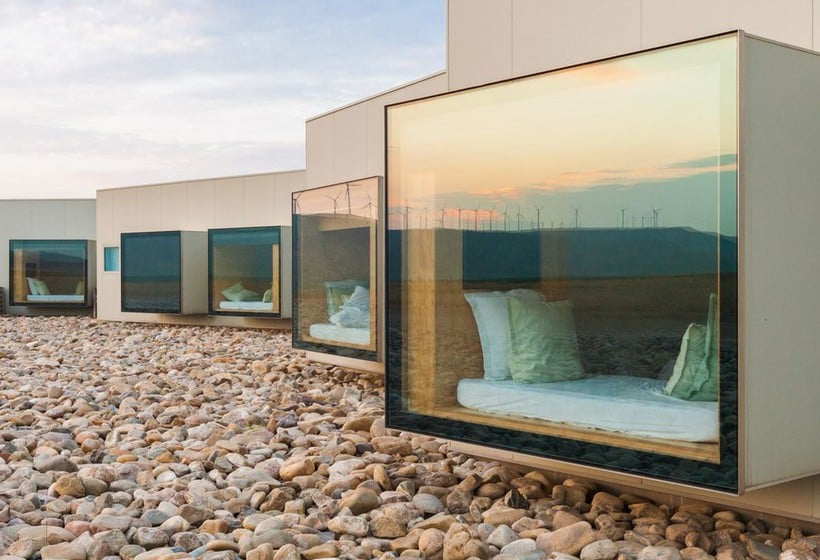
We present some examples of hotels that have opted for sustainability as a differential value.
Zero Waste: a new commitment to sustainability
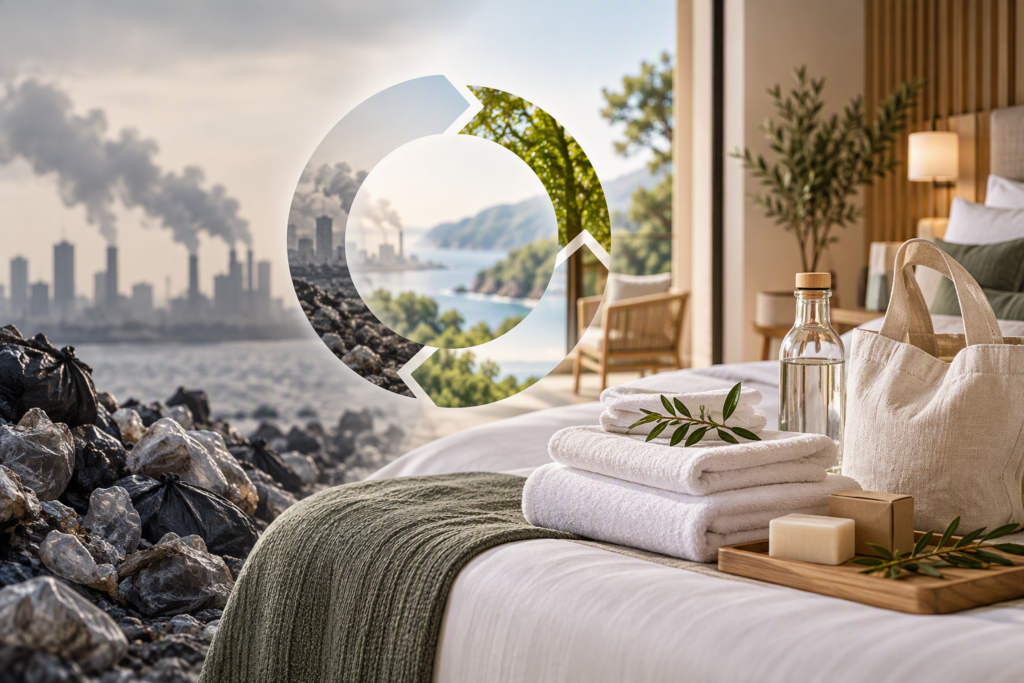
La contaminación atmosférica, hoy en día, mata más gente que el tabaco. En 2014, la Organización Mundial de la Salud estimó que una de cada ocho muertes en el mundo se debía a la polución del aire, y ahora se sabe que son más. Ante esta situación aparecen movimientos y estilos de vida cuyo objetivo es ayudar al planeta cambiando ciertos hábitos. En este artículo os enseñamos el nuevo movimiento ecológico y sostenible que ha llegado tanto al sector de la hotelería como a los hogares, el “Zero Waste”. La contaminación: un problema que nos persigue La apuesta de los distintos agentes sociales por el reciclaje y la sostenibilidad es tendencia en todos los sectores industriales. Todos ellos se enfrentan a una grave situación por la alta contaminación del aire y del agua, en especial en aquellos lugares con mayor densidad demográfica, los núcleos urbanos. Gran parte de esta contaminación es consecuencia de la alta cantidad de residuos que se generan. De media, un consumidor produce alrededor de un kilo y medio de desechos al día, lo que equivale a más de media tonelada al año de desperdicios. Por ello, cada vez son más las empresas y los consumidores que apuestan por un estilo de vida más sostenible donde el reciclaje se convierte en un leitmotiv. Zero Waste: ¿Qué es? Una de las tendencias en sostenibilidad medioambiental es el “Zero Waste” o, también conocido como “cero residuos”. Consiste en reducir al máximo la producción de basura en las empresas y hogares proponiendo una serie de recomendaciones muy fáciles y sencillas de llevar a cabo. Algunas de las medidas de las que habla son las siguientes: 5 medidas minimizar los residuos generados Comprar comida a granel y guardarla en frascos de cristal. Las especias, las legumbres, el arroz o los frutos secos en la mayoría de las ocasiones vienen envasados en envases de plástico. Una forma muy sencilla de reducir los residuos que éstos generan, a la vez que promueves la economía local, es comprar dichos productos a granel en comercios locales. Además, esto te ayudará también a reducir gastos, ya que eliges la cantidad que deseas comprar, minimizando así el desperdicio alimentario. Pregúntale a tu proveedor si es posible que ciertos productos (cereales, fruta, verdura, frutos secos, legumbres, etc.) te los sirva en envases sostenibles con el mínimo embalaje posible o a granel. Usar bolsas de tela. Al realizar pedidos de alimentos o productos para nuestro hotel podemos elegir la opción de las bolsas de tela. De esta manera reduciremos el consumo tanto de bolsas de plástico como de cajas de cartón. Además, en la gestión del día a día también podemos incluirlas, un ejemplo de uso perfecto son los envíos de ropa a lavandería. Jabones artesanales. Una acción más sostenible y que colabora también con el comercio local es la compra de jabones artesanales. Con ellos podremos sustituir los clásicos dispensadores de jabón líquido o los pequeños botes de plástico de las habitaciones que dejamos como amenities. Asimismo, estos se venden sin el envoltorio de plástico por lo que reducirás el consumo de plástico de tu hotel. A los huéspedes les encantan, les recuerda al jabón que antiguamente se utilizaba en sus casas. Compra las bebidas en botellas de cristal. El agua o la leche suelen comercializlarse en botellas de plástico o tetrabricks. Cambia estos productos por envases de cristal. Además podrás reutilizar dichas botellas, por ejemplo, para decorar con velas las habitaciones. Cepillos de bambú. En muchos hoteles es muy común ofrecer cepillos de dientes como amenity. Éstos son, normalmente, de plástico y llevan un envoltorio del mismo material. Por ello te aconsejamos cambiarlos por cepillos de bambú, un detalle que encantará a tus huéspedes, ya que se los podrán llevar con ellos. Tienen una durabilidad mayor que los de plástico y además su envoltorio es una bolsita de papel o una caja de cartón reciclado. Los productos orgánicos serán el nuevo abono de tu jardín Además, si tu hotel o casa rural posee un jardín, puedes crear abono completamente natural de los restos de productos orgánicos. De esta manera, aparte de evitar que acaben en un cubo de basura, tus plantas lucirán mucho más bonitas. El abono natural aporta nutrientes a las plantas de manera paulatina y ayuda al suelo proporcionándole mayor porosidad y retención del agua. La manera de emplear éste abono natural es muy sencilla. Solo consiste en añadir a la tierra de alrededor de las plantas del jardín una pequeña dosis o esparcirlo cuidadosamente por todo el terreno y cubrir con una capa de tierra. Reducir basura para vivir en armonía con el planeta Este estilo de vida se puede aplicar tanto al sector hotelero como al día a día de los hogares. La clave reside en la búsqueda continua de productos reciclables y reutilizables para reducir notablemente la cantidad de basura generada. El “Zero Waste” es la búsqueda de una vida sostenible, un avance hacia una economía circular en la que todo residuo se pueda transformar en materia prima desde un punto de vista que maximice la sostenibilidad. Intentar dejar atrás comportamientos tan comunes como el “usar y tirar” ayudará a disminuir el derroche innecesario de energía y recursos, apoyando así una reducción del impacto medioambiental. Y tú, ¿te unes al movimiento Zero Waste en busca de una vida en armonía con el planeta?
Sustainability, the new tourist attraction of the hotel sector
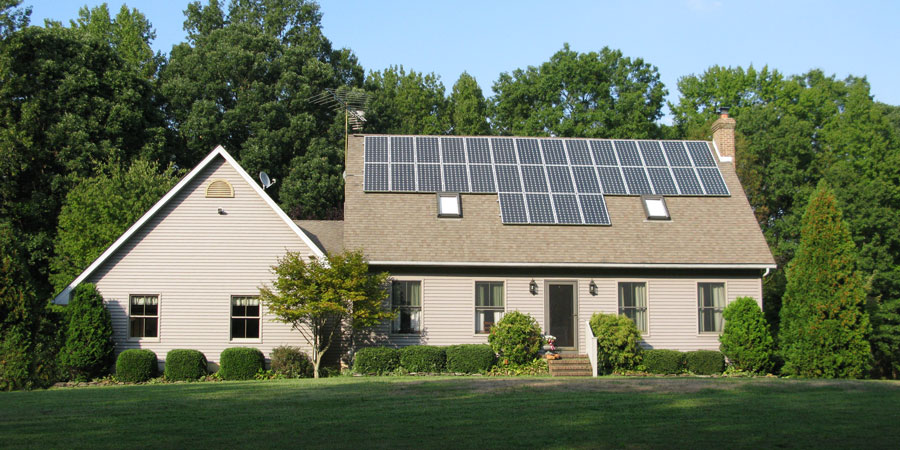
Traveling never goes out of fashion, but the attractions for tourists vary every year and sustainability has become one of them. In 2017, the trend began to be detected in the tourism sector of sustainability all that this entails, a topic that was discussed at the conferences held that same year in Tenerife on the occasion of the "International Year of Sustainable Tourism for Development". At the same conference, the president of the Responsible Tourism Institute, Tomás de Azcárate, stated that "sustainability has become a tourist attraction and, therefore, more competitive". There are also studies that provide us with surprising figures, such as the one carried out by the Global Sustainable Tourism Council and the Instituto Tecnológico Hotelero (ITH), which stated that 90% of travelers seek and choose sustainable hotels for their trips, and 34% are willing to pay a higher amount to stay in establishments (hotels and rural houses) that meet a minimum of sustainability criteria. This demand from guests has been met by the hotel sector by carrying out programs of all kinds (socio-cultural, environmental and economic) designed to protect and defend the local culture and economy of the area, as well as being careful with the environment. Examples of commitment to sustainability as a tourist attraction One of the best examples of sustainability in the sector in Spain is the case of "Avenida Sofía Hotel and Spa". A hotel located in Sitges (Barcelona), just 35 kilometers from the big city. The words that could summarize a stay in this hotel are: modernity, sustainability and functionality. It is one of the Spanish hotels that stands out in the sustainable hotel sector for carrying out major projects directly related to water saving, the search for energy efficiency through solar panels and/or wind turbines, air quality inside the hotels or free recharging for electric vehicles. Another more rural example, leaving behind the "boutique hotel" style, is the "Casona de Labrada" located in A Pontenova (Lugo). This rural complex stands out for its fantastic location and its strong commitment to the environment. It is located in the heart of the Biosphere Reserve Rio Eo, Oscos and Tierras de Burón and uses, in the three houses that compose it, geothermal heating that prevents the emission of CO2, energy saving measures and use of gray and rainwater. In addition, as we have mentioned in the projects of the previous hotel, this rural complex also has a specific place within its facilities for recharging, completely free of charge, electric vehicles brought by guests. What do tourists who are committed to sustainability expect from a hotel? The following are some of the aspects that tourists who opt for this type of tourism value positively: Support for social causes. Electric chargers for cars. Promotion of local commerce. Use of renewable energies. Support for biodiversity and habitat conservation. Energy efficiency. Waste recycling and/or Plastics Free policy. Responsible use of water. With all this we can see the value that is attributed today, by the guests, to the sustainable measures taken by hotels and rural houses. And this is a clear way to see how the environment has become a relevant issue in the daily life of society, becoming a constant search for environmentally friendly measures. However, although guests have a very important voice in this matter, we should not downplay the importance of hotels, as this is an issue that benefits both. As Anna Jiménez, Director of Marketing and Business Development at HotelsCombined in Spain and Portugal, says: "With the help of hoteliers, tourists can live incredible experiences during their vacations, appreciating natural spaces and cultures, while preserving and minimizing their effect on the environment." Is your company committed to sustainable tourism? Do you know of any other example of a commitment to sustainability as a tourist attraction? Tell us about it!
Green roofs and vertical gardens: a new commitment to sustainability.
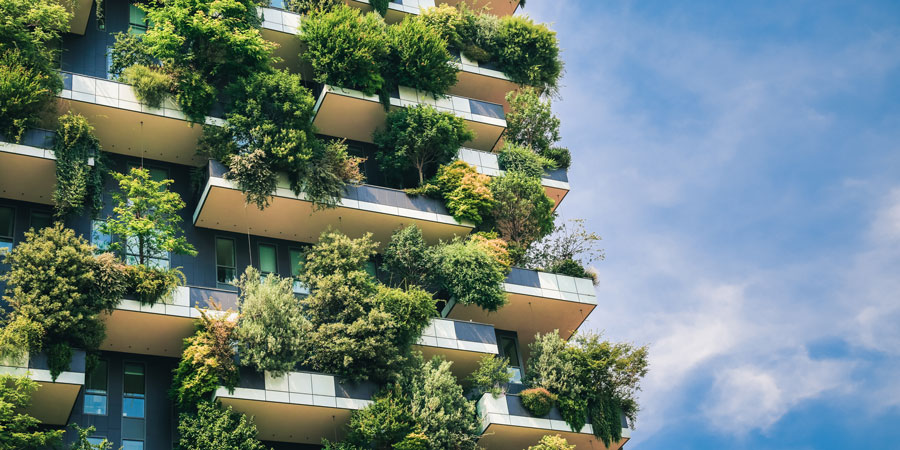
Green roofs, also known as ecological roofs, refer to the surfaces of the roofs of buildings and houses that are covered with vegetation in order to replace the construction materials usually used. This construction design can also be seen on walls, receiving the name of "vertical gardens". The only difference that exists is the place of placement of such vegetation, in the first case referring to the roofs and in the second to the external walls of the building. Green roofs and vertical gardens have become the latest fashion in the world of architects and interior designers, who are increasingly trying to reduce the impact of construction on the environment and improve the environmental quality of urban areas. This increases the number of green areas and avoids the shortage of vegetation spaces that occurs so often in cities. In addition, this is an easy, sustainable and aesthetic way that has advantages for both the planet and the population, as it has a positive influence on the ecological and economic environment. This measure goes further and brings several benefits: Both the vertical garden and the green roof becomes a magnificent insulator that helps in the air conditioning of buildings in summer and winter. In the warm months it shades the facades that receive a lot of sun and cools the interior, thus reducing the overheating of the walls of the buildings. In the coldest months of the year, the layer of air created by the vegetation itself between the plants and the wall creates a very effective insulation, which will help to reduce humidity and cooling of our hotels. With this, we will reduce both heating and air conditioning costs. The two options of vegetation installed in buildings will help us to reduce the chances of leaks appearing. As we are talking about vegetation, we are also talking about a direct help in the filtration of CO2 from the air and an oxygen producer, and, therefore, an improvement in the air quality of cities. They act as an acoustic barrier for a reduction of outside noise inside the houses, making them quieter places if we live near city centers. Animal diversity in urban areas is increasingly affected by human life and pollution. With this type of measures we protect and help birds, butterflies and insects. Finally, these measures have clear aesthetic benefits. In an increasingly technological world, society finds the need to come into contact with nature, which improves the urban environment and often reduces the stress and harshness of big cities, giving a green and natural touch that gives the building its own identity. Some examples of buildings that have already used these green roofs and / or vertical gardens are: The magnificent Therme Rogner Bad Blumau, a hotel in Australia that has an entire grass roof accompanied by trees and flowers. Nanyang Technological University; has the largest campus in Singapore with large lawn areas that cover even the roofs of the campus buildings themselves. It has become a tourist attraction on the campus as many people come to visit it. It has also been ranked as one of the most positive campuses by giving students the chance to relax in a natural environment when they are tired. Undoubtedly, vertical gardens and green roofs are another of the measures that can be adopted by the hotel and tourism sector to contribute to the improvement of the environment. What do you think about this landscaping solution? Did you know about it?
The most sustainable tourist destinations in the world.
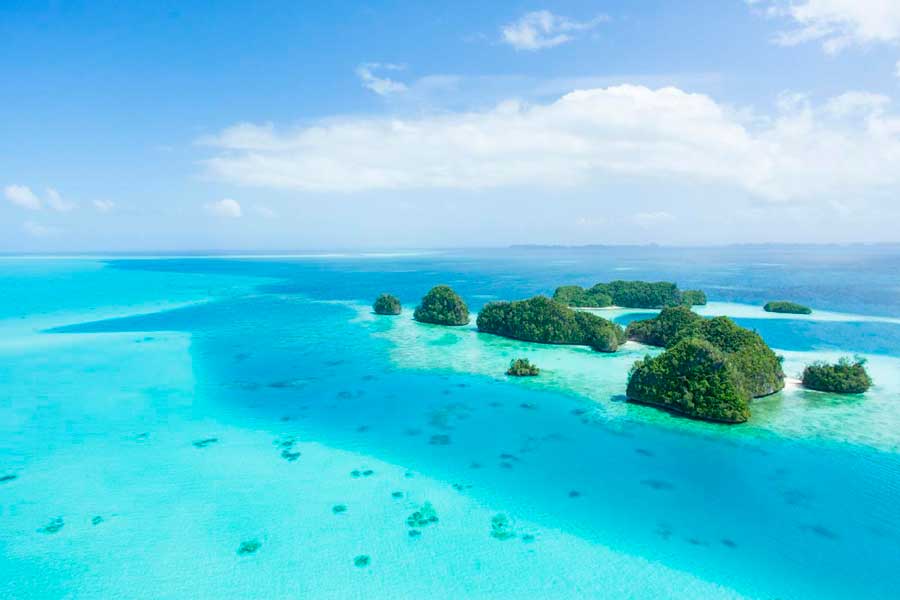
Tourism is one of the most important economic activities in the world. There are millions of companies dedicated to this sector: restaurants, transportation, hotels and many other related businesses. In fact, tourism is one of the sectors most resistant to economic crises and one of the most significant in Spain, since according to studies by the National Statistics Institute (INE), tourism has generated in all of 2018 a total of 125,529 million euros, which represents 11.2% of GDP, besides being a valuable source for generating 13.3% of national employment. In other words, in Spain alone 2.5 million people make a living from tourism. However, all the economic benefits generated by tourism are not significant in terms of caring for the environment. What happens to all those natural environments in which accommodations are built to promote tourism? The hospitality sector often has a negative impact on the environment: contamination of natural reserves, inappropriate use of resources, direct consequences on the local population... This is why sustainable tourism has become increasingly popular in recent years. What exactly do we mean by sustainable tourism? The World Tourism Organization (UNWTO) defines sustainable tourism as "tourism that takes full account of current and future economic, social and environmental impacts to meet the needs of visitors, the industry, the environment and host communities." A definition that we share and defend, since at Vayoil Textil we work with raw materials that take into account their impact on the environment. Although sustainable tourism is a trend that is increasingly present all over the world, there are some specific tourist destinations that are positioning themselves in the sustainability ranking. We tell you what they are and why they have earned the accolade of being among the most sustainable destinations in the world. Palau, the king of sustainability. This small but paradisiacal archipelago in western Oceania was a must among the Top Green Destinations. It was the winner of the ITB Earth Award during the ITB Berlin trade fair for implementing very intelligent sustainability measures. Its crystal-clear waters, biodiverse reefs and lush vegetation make it a dream (but not well-known) tourist destination. Palau lives from tourism, but this island country has its priorities clear and has set a series of rules that all visitors must comply with if they want to enjoy it. Tourists must take an oath called Palau Pledge: it consists of a written commitment to ensure a stay based on sustainable practices. From 2020, measures such as a ban on the use of sunscreens that may be toxic to marine biodiversity and the elimination of disposable plastics throughout the country will also come into force. Ljubljana, the most sustainable city. Neither London, Madrid nor Rome, the most sustainable city in Europe is the unknown Ljubljana, capital of Slovenia. This city has been considered since 2016 one of the most sustainable green capitals in the world. Since then, Ljubljana has worked to create greater environmental awareness among its inhabitants and implement measures such as a sustainable urban transport system and a zero waste program that commits to separate at least three quarters of the waste collected by 2025. Another of this city's plus points is that it is very green, literally. More than 46% of the city's area is covered by native forests making it a city with a real green heart. Guyana, a leader in ecotourism. Stunning waterfalls, tropical rainforest and one of the best places on the planet to enjoy nature. Guyana is a country located on the northern coast of South America, right next to Venezuela. Although it is one of the smallest countries in Latin America, it is worth mentioning its great commitment to sustainability. The country has already begun to implement the Green State Development Strategy: Vision 2040, a policy proposed by the UN Environment that promotes a green economy aimed at reducing dependence on limited resources and investing in green sectors. Undoubtedly, sustainable tourism is growing every day. It is necessary to think about the effects that our businesses have on the environment and to think of tangible solutions that we can implement. It is in our hands to take care of the planet, our home. We are already doing our bit, what about you?
Sustainable logistics: An environmentally friendly shipping method.
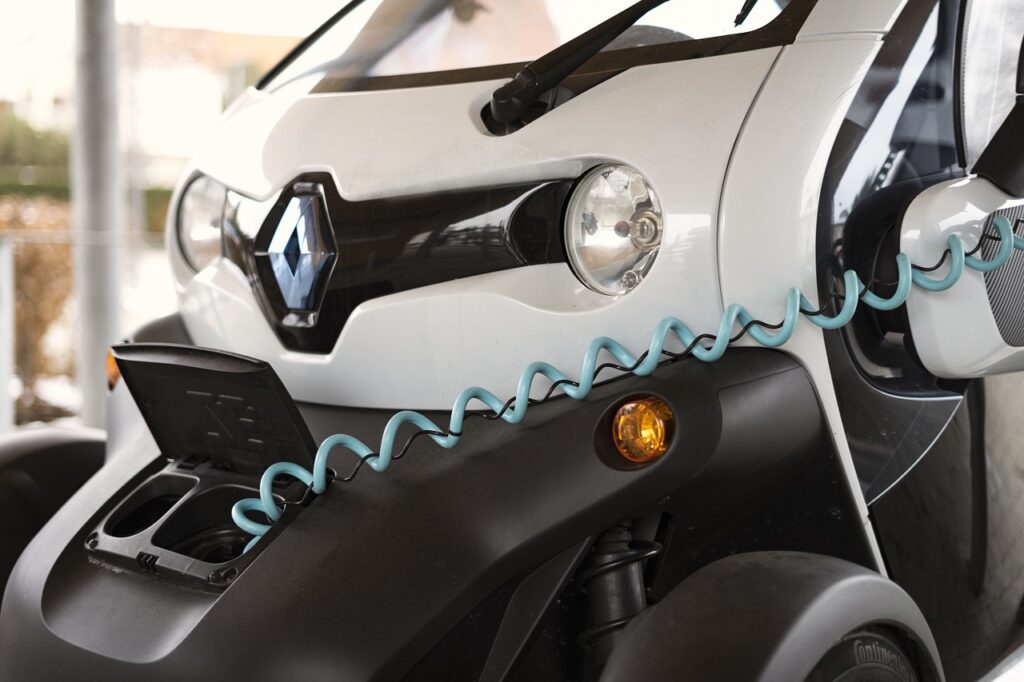
A día de hoy, todas las empresas deben de escuchar a sus clientes y trabajar para estar en sintonía con lo que la sociedad está pidiendo: respeto por el medio ambiente. De ahí que en Vayoil busquemos un proceso de venta que sea 100% sostenible, desde sus materias primas hasta su método de envío. Por eso, apostamos por una Economía Circular que cuide del planeta reduciendo lo máximo posible las emisiones y los residuos contaminantes generados. Aunque nuestro sector es el textil, también se trabaja con otros sectores para hacer posible nuestro trabajo. La logística es un sector potente que juega un papel clave en la economía mundial, lo que nos lleva a poner el foco en cómo nuestros proveedores o colaboradores externos actúan para respetar el impacto medioambiental. En Vayoil tenemos como objetivo lograr una logística Total Green. Es decir, una logística sostenible que cuide del entorno. Una de las medidas tomadas es que todas nuestras bolsas de envío son elaboradas con plásticos PET, un material mucho más ligero que el plástico convencional que ayuda a reducir el consumo de combustibles fósiles durante su transporte y que, además colabora para frenar las emisiones CO2. Estas bolsas son reciclables. Se pueden reutilizar o reciclarse convirtiéndose nuevamente en bolsas o en hilo de poliéster. Otras de las medidas adoptadas es la apuesta por proveedores cercanos y por una iluminación LED en todas nuestras instalaciones para disminuir la contaminación lumínica. Adicionalmente hay muchas otros aspectos que podemos tener en cuenta a la hora de llevar a cabo una logística verde con todos los proveedores de un alojamiento. Comentamos algunas: Vehículos verdes para el transporte de mercancías. Todos los productos, desde mercancías textiles hasta alimentos, necesitan un vehículo para su transporte. Es uno de los aspectos más importantes a tener en cuenta si queremos una logística total green. Muchas empresas optan por un reparto de productos en bicicletas, furgonetas y/o coches eléctricos. Al optar por este tipo de vehículo se disminuye la emisión de CO2 y se controla la contaminación en grandes ciudades. Productos de Km0 Los productos de proximidad, también conocidos como productos de Km0, tienen en cuenta la distancia que hay entre su lugar de producción hasta su destino de consumo final. Normalmente los productos de Km0 tienen un radio de distancia de máximo 100 km, por lo que al consumir este tipo de productos se está fomentando la economía local. Aparte de apoyar a la economía local de la zona en la que se encuentra tu alojamiento, los productos de Km0 ayudan a reducir la contaminación al acortar notablemente sus distancias de transporte. Por ejemplo, los restaurantes del hotel Meliá Villaitana (Benidorm) ya apuestan por la elaboración de todos sus menús con productos de la tierra, fomentando la cultura de Km0 en sus hoteles. Almacenamiento sostenible. Para seguir una logística verde en nuestra política no puede faltar un almacenamiento sostenible. El International Review of Applied Engineering Research define este tipo de transporte total green como “los esfuerzos para medir y minimizar el impacto ambiental de la actividad logística”, siendo indispensable completar este proceso con un sistema de almacenaje de mercancías sostenible. Las infraestructuras de almacenamiento pueden apostar por medidas como: instalación de placas solares, instalación de bombillas LED, materiales de construcción natural y gestión inteligente de los recursos energéticos, entre otras. Todas estas prácticas en el almacenamiento de mercancías pueden lograr su objetivo: cuidar el medio ambiente mientras realizan una economía rentable y sostenible. Segunda vida a los deshechos. El Parlamento Europeo dicta que toda empresa que siga un modelo de economía circular debe de reducir, reutilizar y reciclar los productos con la finalidad de reducir la presión sobre el medio ambiente. Una empresa con logística verde deberá de ser responsable de los deshechos generados, recogerlos y reutilizarlos dándoles una segunda vida en el proceso productivo. Beneficios de apostar por una logística verde. ¿Cómo va a beneficiar apostar por una logística verde a tu hotel? Si la RSC de tu alojamiento es el cuidado del medio ambiente será indispensable que todos tus proveedores sigan unas políticas sostenibles. Esto nos permitirá comunicar con transparencia nuestra imagen 100% verde al apostar por una logística que sigue la misma filosofía que nuestro alojamiento, creando un valor inherente en nuestra marca. Y sobre todo, no olvidemos que la finalidad de apostar por una logística verde es preservar el medio ambiente. Está en nuestras manos cuidar del entorno, de ahí que sea necesario tomar decisiones que se engloben bajo el paraguas de la sostenibilidad. Según refleja el Foro Económico Mundial, aproximadamente un 6% del total de emisiones globales de CO2 se originan en el sector logístico y del transporte. De ahí que en Vayoil ya estemos implementando medidas en este proceso para que nuestros productos lleguen a los hoteles y casas rurales respetando el medio ambiente mientras se ofrece un servicio de calidad. La logística verde es posible, solo debemos de apostar por ella. ¿Apuestas por una logística más respetuosa y sostenible?