
The Sustainable Development Goals (SDGs), an initiative promoted by the United Nations and comprising 17 goals and 169 targets, emphasize responsible production and consumption, climate action, underwater life and terrestrial ecosystems.
The first of all of them, the one that most affects the hotel sector, strives to guarantee sustainable sustainable consumption and production methods, with the aim of reaching 2030 with fully responsible to 2030 with fully responsible management and efficient use of natural resources. natural resources.
Currently, according to the World Bank, we have reached 20% water pollution from the textile of water pollution produced by the textile processes used by industry. industry. Polyester, for example, is one of the materials that makes up more than half of the clothes we wear and is created from toxic processes. of half of the clothes we wear and is created from toxic processes. This is why it is so important to innovate in order to achieve a more environmentally responsible industry, as well as to make savings on the costs and benefits of our products. and energy savings and a reduction in the pesticides used on plantations. pesticides used on plantations.
Sustainability goes beyond goes beyond the recycling or fair trade of previous years. More measures are needed to help achieve this goal. this goal. In this article, we present textile innovations to promote the sustainable use of materials in the hotel industry. sustainable use of materials in the hotel industry.
Orange Fiber
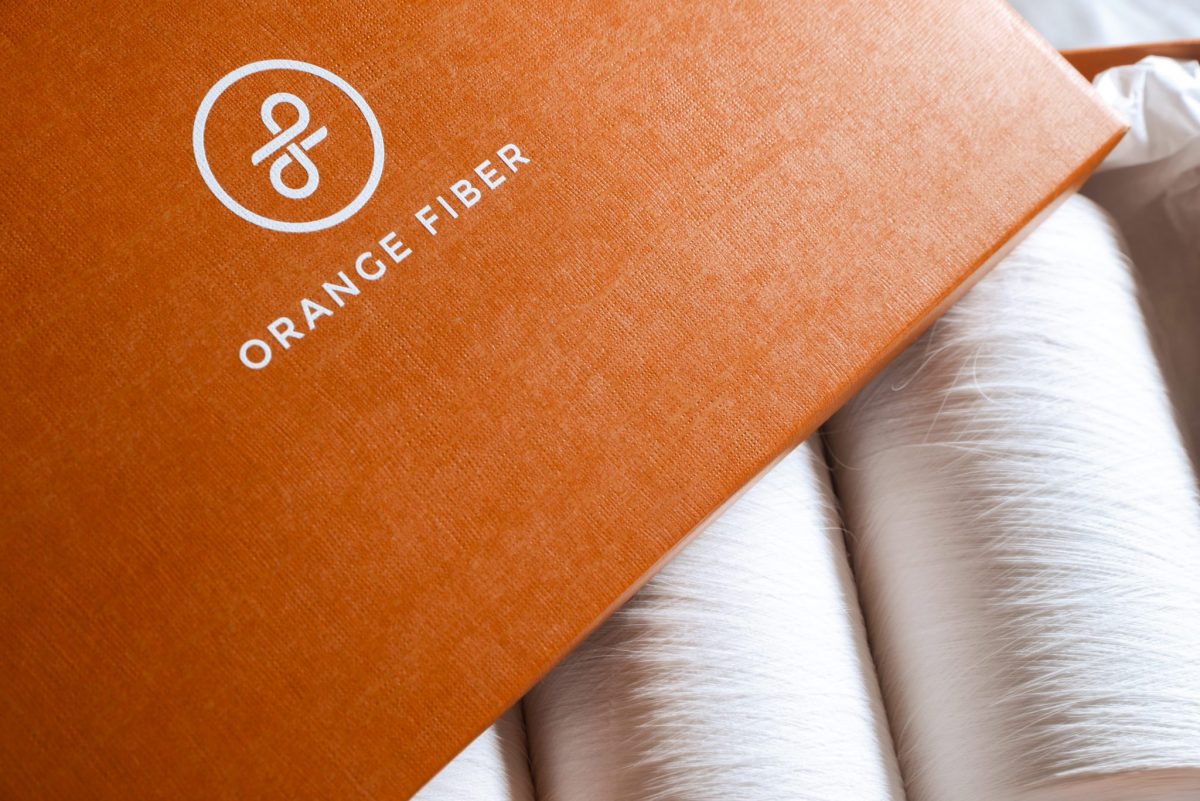
The first we want to comment on is one of the most striking textiles of the last few years, an initiative that started in 2017 by two Italian designers, Adriana Santanocito and Enrica Arena: Orange Fiber. Santanocito and Enrica Arena: Orange Fiber.
This ecological fabric is created from orange peels. The fibers are transformed into a yarn, from which biodegradable fabric with a silk-like feel and characteristics is produced.
An important point is that it manages to take advantage of waste and reduce the solid waste we generate. An opportunity to establish a corporate social responsibility alliance with citrus companies.
Microsilk
A initiative that may be curious to say the least but that has excellent qualities thanks to its strength, durability qualities thanks to the material's strength, durability, flexibility and water resistance, is Microsilk. is Microsilk. A fabric created from spider webs. A Through a process of fermentation of sugar and water, large quantities of silk protein are produced. This is then spun into fibers that are used to weave the fabric. which are used to weave the garments.
This fiber has already already been used by brands like Adidas and North Face and even high fashion brands like Stella McCartney. brands such as Stella McCartney.
Polylana
Major brands and companies such as Inditex and Calvin Klein are also committed to introducing sustainable measures in their production processes that can be applied on a large scale. One of them is the use of Polylana. An alternative to acrylic fibers and wool made from recycled materials. It saves 46,440,000 liters of water, the equivalent of 18 Olympic-size swimming pools, as well as reducing waste by 76% and CO2 by 19%. With this measure, organic cotton, recycled wool, nylon, merino or cashmere fabrics can be obtained.
Piñatex
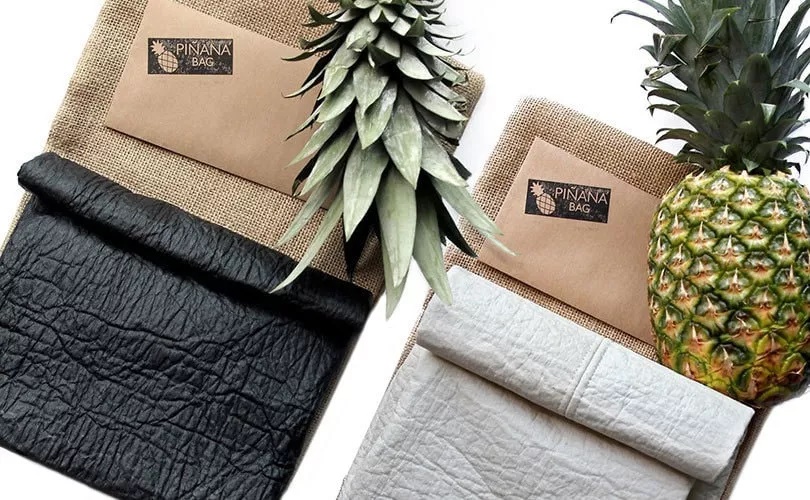
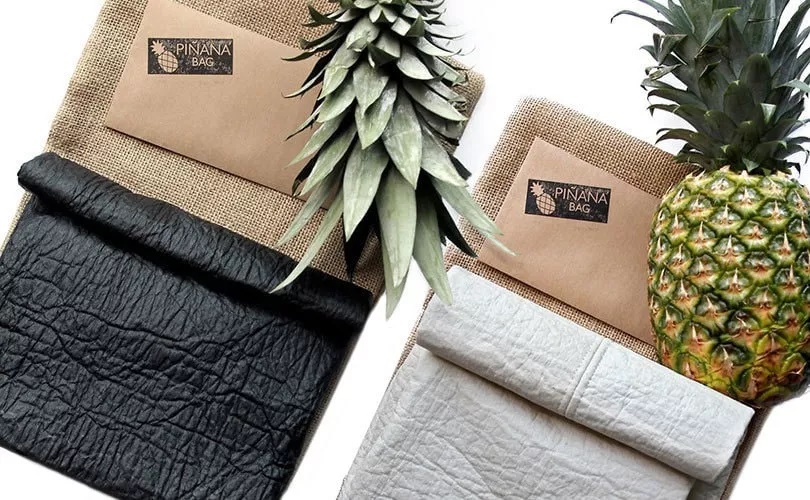
Piñatex is a natural leather alternative made from cellulose fibers extracted from pineapple leaves PLA and petroleum-based resin. An idea launched by Ananas Anam, the company created by Carmen Hijosa, Spanish created by Carmen Hijosa, a Spanish expert in leather products. This fabric is characterized The fabric is characterized by the ethics used in each of its sizes and processes, as well as for being a highly resistant fabric. for being a highly resistant fabric.
Using an automated machine, long fibers are extracted from the leaves of the pineapple to create a mesh. With the finishing touches that are given to it, a leather-like appearance can be achieved with which we can be able to create clothing, shoes, accessories and furniture with a low environmental impact.
S.Coffee
Most of us most of us like to start the day with a good cup of coffee. But did you know that 140 liters are used to produce it and 90% of the coffee beans are wasted? bean is wasted?
In 2008, Yingtex, a Taiwan-based company 2008, Yingtex, a Taiwan-based company, created an eco-friendly yarn from ground coffee and plastic bottles. coffee grounds and plastic bottles. Just three cups of coffee grounds and five plastic bottles can be used to plastic bottles can be used to create a T-shirt.
This brands such as Nike, Adidas, Nautica and Victoria's Secret have already joined the initiative. Victoria's Secret.
Textiles from plastic bottles
Our R+D+I department R&D&I department strives to make our garments more and more environmentally friendly. environmentally friendly. An example of this is the Ocean line: sustainable garments for hotels made from polyester fibers created from plastic bottles recovered from the sea and oceans. plasticbottles recovered from the sea and oceans.
But this is not is not the only initiative of Vayoil, which has been working for years with the use of natural materials such as organic cotton, Tencel or Lyocel. natural materials such as organic cotton, Tencel or Lyocel, which is a fiber created from wood from sustainable forests; linen and bamboo. bamboo. Other sustainable natural fibers that allow us to manufacture fabrics thanks to technology and innovation thanks to technology and innovation are: banana fiber, cork, nettle, soybeans, soybeans, cork, cork, soybeans, soybeans, soybeans, soybeans, soybeans nettle, soy, hemp and orange.
In your when choosing bed linen, do you consider the materials used in their manufacture and how they are materials used in their manufacture and how they may be perceived by guests and society at large? society in general?