
Vayoil, a step forward in prevention

The Product Creation department, within Vayoil's R&D&I area, has been working since the first day of this pandemic to create articles that can offer guarantees of safety and protection to its customers. Since March, the company, concerned about the magnitude of this health crisis, adapted part of its production to the manufacture of these articles. During the first 4 weeks of this adaptation, the entire production of masks and waterproof aprons was donated to hospitals, clinics, city councils, local police and Civil Guard both in the Valencian Community and other parts of the country. Taking a step forward against this epidemic, this Valencian company has created a collection of articles that collaborate with the fulfillment of the protocols for a safe hotel reopening. This collection includes items for the room, such as several models of pillowcases and mattress protectors that allow easy disinfection against Covid-19 and other viruses and bacteria, and also protect pillows and mattresses. In addition, following another of the points indicated in the Ministry's guidelines, we manufacture covers for the blankets and pillows that the hotel makes available to guests and that are kept in the room closets. Vayoil also does not forget the protection of hotel employees and guests. They are the most important and for them, the company has created a small collection of different KITS that can include masks, hydroalcoholic gel and mask covers. In addition, if there is a case of an infected customer or employee, the company integrates in its catalog items that meet the necessary requirements to comply with the protocol established for these cases. Vayoil once again demonstrates its commitment to collaboration with both its customers and society.
The most sustainable tourist destinations in the world.
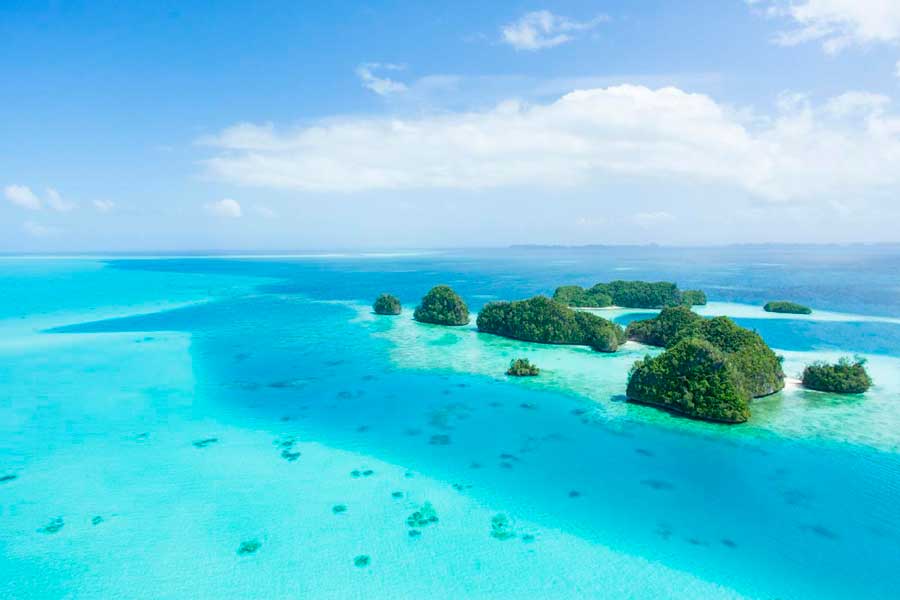
Tourism is one of the most important economic activities in the world. There are millions of companies dedicated to this sector: restaurants, transportation, hotels and many other related businesses. In fact, tourism is one of the sectors most resistant to economic crises and one of the most significant in Spain, since according to studies by the National Statistics Institute (INE), tourism has generated in all of 2018 a total of 125,529 million euros, which represents 11.2% of GDP, besides being a valuable source for generating 13.3% of national employment. In other words, in Spain alone 2.5 million people make a living from tourism. However, all the economic benefits generated by tourism are not significant in terms of caring for the environment. What happens to all those natural environments in which accommodations are built to promote tourism? The hospitality sector often has a negative impact on the environment: contamination of natural reserves, inappropriate use of resources, direct consequences on the local population... This is why sustainable tourism has become increasingly popular in recent years. What exactly do we mean by sustainable tourism? The World Tourism Organization (UNWTO) defines sustainable tourism as "tourism that takes full account of current and future economic, social and environmental impacts to meet the needs of visitors, the industry, the environment and host communities." A definition that we share and defend, since at Vayoil Textil we work with raw materials that take into account their impact on the environment. Although sustainable tourism is a trend that is increasingly present all over the world, there are some specific tourist destinations that are positioning themselves in the sustainability ranking. We tell you what they are and why they have earned the accolade of being among the most sustainable destinations in the world. Palau, the king of sustainability. This small but paradisiacal archipelago in western Oceania was a must among the Top Green Destinations. It was the winner of the ITB Earth Award during the ITB Berlin trade fair for implementing very intelligent sustainability measures. Its crystal-clear waters, biodiverse reefs and lush vegetation make it a dream (but not well-known) tourist destination. Palau lives from tourism, but this island country has its priorities clear and has set a series of rules that all visitors must comply with if they want to enjoy it. Tourists must take an oath called Palau Pledge: it consists of a written commitment to ensure a stay based on sustainable practices. From 2020, measures such as a ban on the use of sunscreens that may be toxic to marine biodiversity and the elimination of disposable plastics throughout the country will also come into force. Ljubljana, the most sustainable city. Neither London, Madrid nor Rome, the most sustainable city in Europe is the unknown Ljubljana, capital of Slovenia. This city has been considered since 2016 one of the most sustainable green capitals in the world. Since then, Ljubljana has worked to create greater environmental awareness among its inhabitants and implement measures such as a sustainable urban transport system and a zero waste program that commits to separate at least three quarters of the waste collected by 2025. Another of this city's plus points is that it is very green, literally. More than 46% of the city's area is covered by native forests making it a city with a real green heart. Guyana, a leader in ecotourism. Stunning waterfalls, tropical rainforest and one of the best places on the planet to enjoy nature. Guyana is a country located on the northern coast of South America, right next to Venezuela. Although it is one of the smallest countries in Latin America, it is worth mentioning its great commitment to sustainability. The country has already begun to implement the Green State Development Strategy: Vision 2040, a policy proposed by the UN Environment that promotes a green economy aimed at reducing dependence on limited resources and investing in green sectors. Undoubtedly, sustainable tourism is growing every day. It is necessary to think about the effects that our businesses have on the environment and to think of tangible solutions that we can implement. It is in our hands to take care of the planet, our home. We are already doing our bit, what about you?